
Imagine this: you’re sitting at your desk, ready to access important emails stored in your OST file. But instead of smooth sailing, you're greeted with an unexpected error message. Your heart sinks—your data feels just out of reach. This scenario is all too common for many users who rely on Outlook’s Offline Storage Table (OST) files for their email management.
The truth is, while these files are incredibly useful, they can sometimes become inaccessible due to various reasons like corruption or system crashes. When that happens, the need arises to export inaccessible OST to PST format—a method that ensures you regain access to those vital communications and documents.
In this blog post, we’ll delve deep into understanding the nuances between OST and PST files and explore why converting an inaccessible OST file into a PST is essential. Whether you're looking for manual solutions or automated tools designed specifically as an ost to pst exporter, we've got you covered! Let’s uncover how you can successfully export your valuable data without any hurdles along the way.
Understanding the concept of OST and PST files
OST and PST files are integral components of Microsoft Outlook, serving different purposes in email management. The Offline Storage Table (OST) file is designed for users who operate in a cached mode, allowing them to access emails, calendars, and contacts even without an internet connection. This offline functionality means you can work seamlessly while syncing changes once reconnected.
On the other hand, the Personal Storage Table (PST) file acts as a storage container for your mailbox data when you're not using Exchange Server or need to archive old items. PST files are portable and can be easily transferred between devices or accounts.
Both formats play vital roles in managing Outlook data, but their structures differ significantly. Understanding these distinctions is crucial for effective troubleshooting and data recovery strategies, especially when faced with inaccessible OST files that require conversion to PST format.
Reasons why an OST file may become inaccessible
OST files can become inaccessible for several reasons. One common issue is corruption, which can occur due to sudden system crashes or improper shutdowns. When the integrity of the file is compromised, accessing your emails and data becomes a challenge.
Another reason might be related to account configurations. If there's a change in server settings or if an account gets deleted from Microsoft Exchange, it can lead to accessibility issues with existing OST files.
Network problems also play a significant role. A weak internet connection or network interruptions during synchronization may render an OST file unusable.
Software conflicts are another culprit. Third-party applications might interfere with Outlook's functionality, leading to unexpected errors when trying to open the OST file. Understanding these factors is essential for anyone looking to export inaccessible OST to PST efficiently.
Importance of converting an OST to PST
Converting an OST file to PST is crucial for data accessibility. When Outlook goes offline, it creates OST files that store your emails and other items locally. However, these files can become corrupt or inaccessible due to various reasons.
By converting an OST to PST, you ensure a reliable backup of your essential data. PST files are more compatible with different versions of Outlook and easier to manage when migrating or archiving information.
Moreover, exporting emails from OST into PST helps in regaining control over lost messages. If you've experienced a system crash or software failure, this conversion can restore vital communications without missing a beat.
It's also beneficial for sharing large amounts of data with others or importing content into another email client. This flexibility adds significant value in both personal and professional settings.
Manual methods to export an inaccessible OST to PST
Exporting an inaccessible OST to PST manually can be a daunting task, but it’s possible with the right approach. One common method involves using the built-in Microsoft Outlook import and export feature.
Start by opening Outlook and creating a new profile if necessary. From there, navigate to File > Open & Export > Import/Export. Choose “Export to a file” and select “Outlook Data File (.pst).” This is where you can specify what data you want to export from your OST file.
However, this method may not always work for corrupted or heavily damaged OST files. In such cases, repairing the OST file using the Inbox Repair Tool (Scanpst.exe) might help recover some of your emails before attempting another export.
Another option is accessing your mail server directly if it supports online access. You could re-sync your emails into a new PST format without needing direct interaction with the problematic OST file.
Automated tools for exporting an inaccessible OST to PST
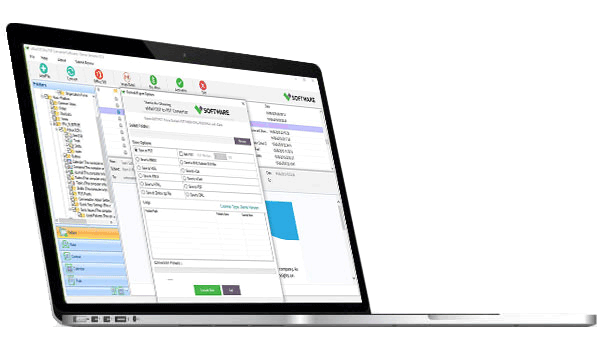
When dealing with inaccessible OST files, automated tools can be a lifesaver. These specialized software solutions are designed to streamline the conversion process from OST to PST formats, ensuring data integrity and accessibility.
One of the key advantages of using an automated tool is efficiency. With just a few clicks, you can export your emails and other vital data without diving deep into complex manual methods.
Moreover, many tools come equipped with advanced features like selective recovery. This means you can choose which items to recover rather than exporting everything at once.
User-friendly interfaces further simplify the process for those who may not be tech-savvy. You don’t need extensive training or experience; these tools guide you every step of the way.
Additionally, most reliable options offer preview functionalities so that users can verify their data before completing the export process.
Factors to consider when choosing an automated tool
When selecting an automated tool to export inaccessible OST to PST, it's crucial to assess compatibility. Ensure the software can handle your specific version of Outlook and the type of OST file you have.
User-friendliness is another key factor. A straightforward interface makes navigation easier, especially for those who may not be tech-savvy. Look for tools that offer clear instructions or guided processes.
Also, consider the speed of conversion. Some tools promise quick results but may compromise on data integrity. Check reviews and testimonials to gauge reliability before making a choice.
Support matters significantly. Choose a vendor that provides robust customer service in case any issues arise during the process. This ensures peace of mind while handling sensitive data like emails and attachments from your OST files.
Conclusion: The benefits of exporting an inaccessible OST to PST
Exporting an inaccessible OST to PST offers several advantages that can greatly benefit users dealing with email data issues. First and foremost, it provides access to crucial emails and other mailbox items that may otherwise be lost.
Converting OST files into the more universally accepted PST format ensures greater compatibility with various email clients. This transition facilitates easier management of emails, contacts, calendars, and tasks stored within the original OST file.
Moreover, having a PST file allows for better backup options. Users can securely store their emails offline or transfer them between different systems without risking valuable data loss.
Whether you choose manual methods or automated tools like an ost to pst exporter, understanding how to export ost data to pst is essential in today’s digital environment. The ability to easily export emails from OST into PST not only restores accessibility but also enhances overall productivity by keeping important information within reach when needed most.
Embracing these conversion processes empowers users by mitigating potential disruptions caused by inaccessible files—ensuring that your precious email history remains intact and manageable.



Write a comment ...